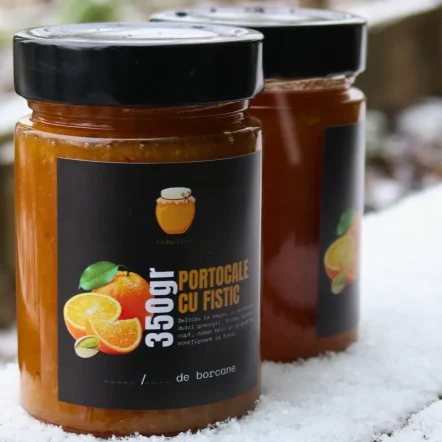

A smell of sweet-burning veggies engulfs the entire place. Artisanal jams.
There are roasted eggplant peels all over the kitchen.
I’m pretty sure I have some even in my hair, for some reason.
A huge pot of onions, bell peppers, and tomato pulp is bubbling like the geyser I saw in Iceland a few years ago, nearly levitating off the stove.
Mom already cracked two jars and is about to fall over one of the cats, the black&white one, with another dozen of them.
Grandma is outside singing a song from 50 years ago, breaking wood for the fire.
Also, there is flour all over one of the counters near the pantry.
Yes, flour, not that kind of flour, but flour.
I guess we’re having fresh bread in the afternoon!
This is no script idea for the next Chef’s Table episode on Netflix.
It’s just daily life in a small village home in rural Romania, one Tuesday morning, while the entire family cooks away some zacusca, a traditional spread that everybody would trade their good kidneys for over the winter.
What does this have to do with marketing in 2026, business, and the magic of social media and content writing that I exude from every pore as part of my job?
Everything.
Whether you’re selling a jar (or 250 in a season) of tradition or a high-tech service, the recipe for making people care hasn’t changed in a century.
The medium did, sure, but the ways? Not so much.
Let me explain, plum.
In this guide:
Lesson 1: Don’t Burn The Marketing!
Marketing is like boiling jam.
Surely you haven’t seen this one coming…
But the truth is, the more patient you are, the better the ingredients you put in, and the sturdier the recipe, the more intense and delicious the final product will be.
We are living in a time when everything is rushed.
Including relationships.
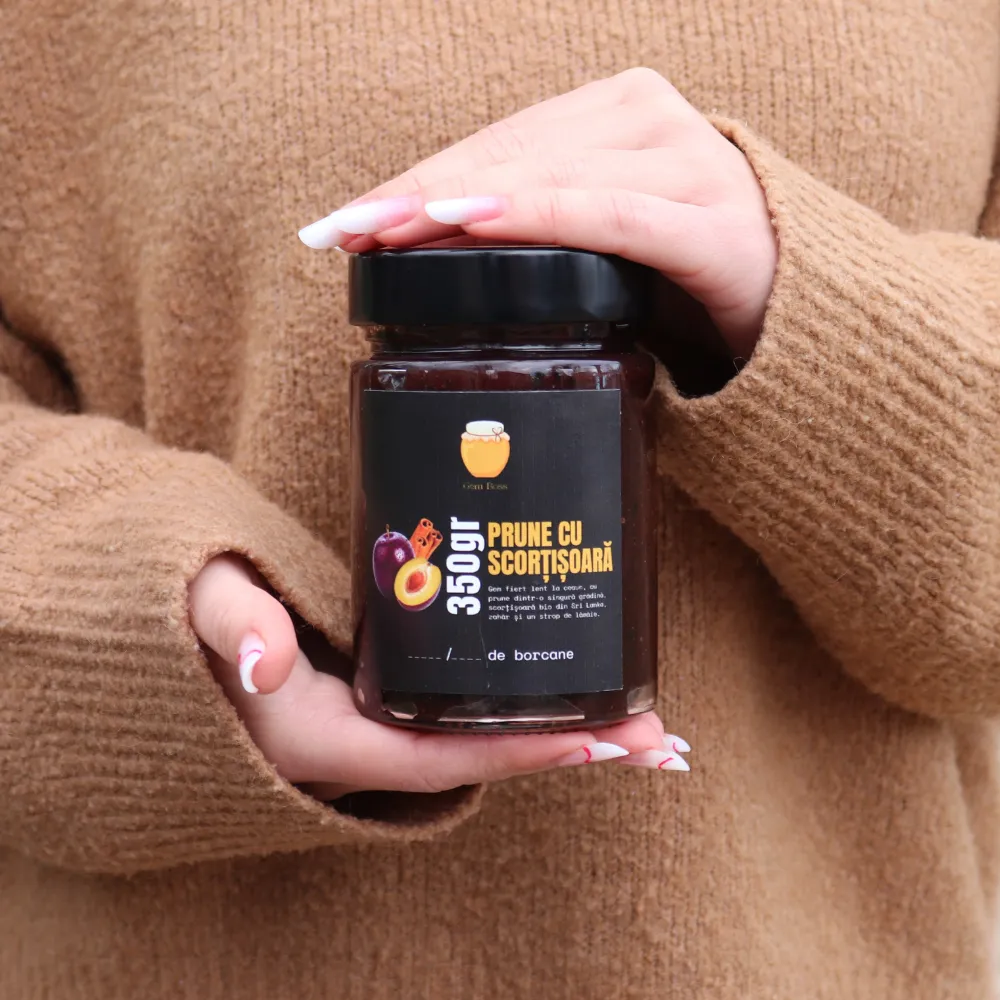
We swipe left and right for people to meet, and when we’re confronted with the smallest of impediments, we just leave.
The same happens with marketing.
We post tons of content every day, pushing our stuff down people’s throarts without actually having a message, a story, or a reason for them to come and see what we’re all about.
And when 99% of them “swipe left”?
We blame the market, the clients, the this and the that.
We blame everybody… but ourselves and our products or services!
Rushing is the number one reason why you never sell.
Marketing, like jam, can’t be rushed.
Much like good jam, or zacusca, high-quality content and brand reputation take time to “reduce” and thicken.
What’s the takeaway from all of this for you?
If you want results that last longer than a 24-hour Instagram Story, you need a “low and slow” strategy.
Lesson 2: The Price Tells (Part Of) The Story
The lowest-priced jam at my local supermarket is 1.5 bucks.
The most expensive one is $5.5.
My jams are priced at $6 and higher for the most part.
Why?
Because number one, I have a much better product than the ”artisanal” jams you can find at Lidl, and number two, the price tells a very significant part of the story.
It’s no old marketing trick just to make people pay more for basically a jar of preserves.
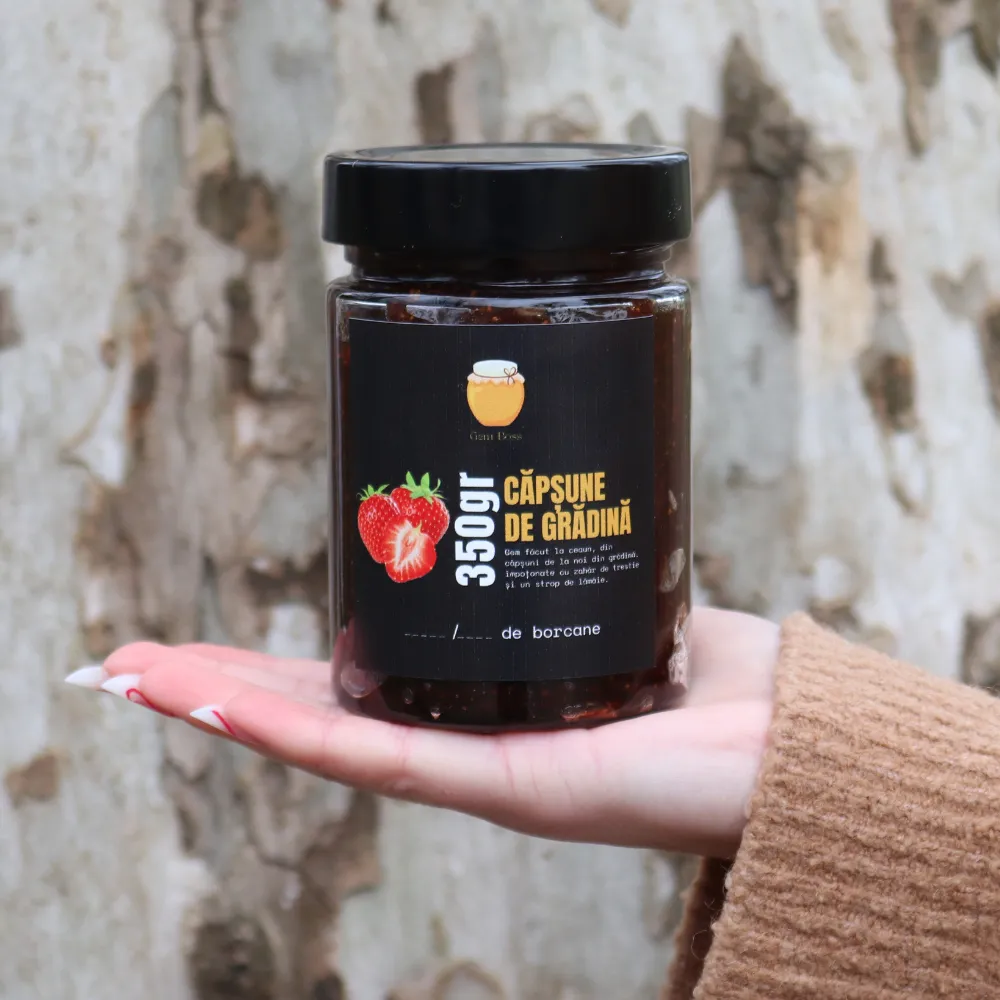
It’s basic human nature.
The more we pay for something, the more we will value and treasure it.
It is even said that a high-priced jar of jam will taste much better than a regular one, just because of the price.
I have no idea about those claims.
In order for this “marketing strategy” to work, instead of me selling you a $4.000 Dior bag that costs $45 to make, in Pakistan and with children involved, I’m selling you a jar of delicious jam that my family makes from scratch.
Including growing the fruits in our own backyard!
While Dior just pushes how amazing it is to own one of their bags and how formidable you’ll feel (you won’t, but who am I to tell you otherwise?) I actually feed you.
Strategy aside, I never lie to people.
And if you do tell the truth, then the price is worth it.
Especially if you work for the money.
And it’s not just hollow marketing for rich people to feed from.
Lesson 3: All You Need Is 10 Good Clients
I’m an artisanal jams maker.
This literally means I don’t need 1000s of customers, because, if the product is actually handmade, homemade, artisanal, blah blah… I can’t sell more than 100 or so of the same flavor per season.
200, if we’re lucky!
This leaves us with very little room for growth.
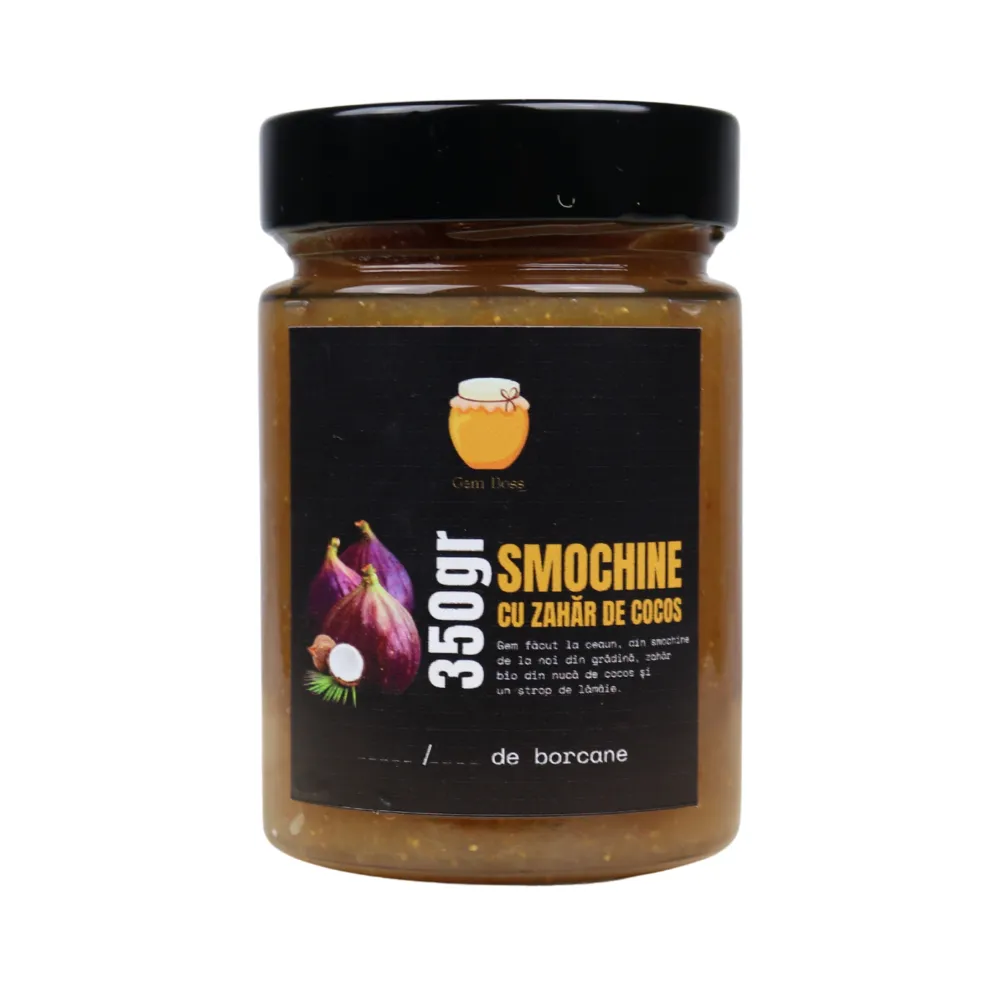
*Please let me know if this is enough jam jar photos, I’ll stop nonetheless…
In fact, we can only grow our prices if the demand is really huge.
We can’t really grow production since we’re limited by the quantity of fruits and vegetables we can grow in the back garden.
And in order to get those jars sold, all we need is 10 good clients to begin with.
I sold most of the 250 jars of the 2025 season like that.
Starting with 10 loyal clients who, after buying their stock for the winter, told 2-3 of their friends about how great their jams and zaucsca is this year.
Word of mouth isn’t “luck”, as you can see.
It’s engineered.
In order for me to get those 10 loyals, I was giving away free samples to friends, colleagues, and “connectors” like crazy back in 2024.
The big lesson here is that when the product is good, your customers become your sales team.
In 2026, a recommendation from a friend is worth 1.000 paid ads.
And I should know!
Out of 3 paid ads I’ve ever done for the business, guess how many sells I got?
BONUS Lesson 4: People Buy From People, Not Corporations
Being vulnerable is your best brand asset.
Regardless if you make artisanal jams, coffee machines, watches, or Formula 1 cars.
You don’t even have to know what “brand asset” means.
Heck, I don’t think I know what that means myself!
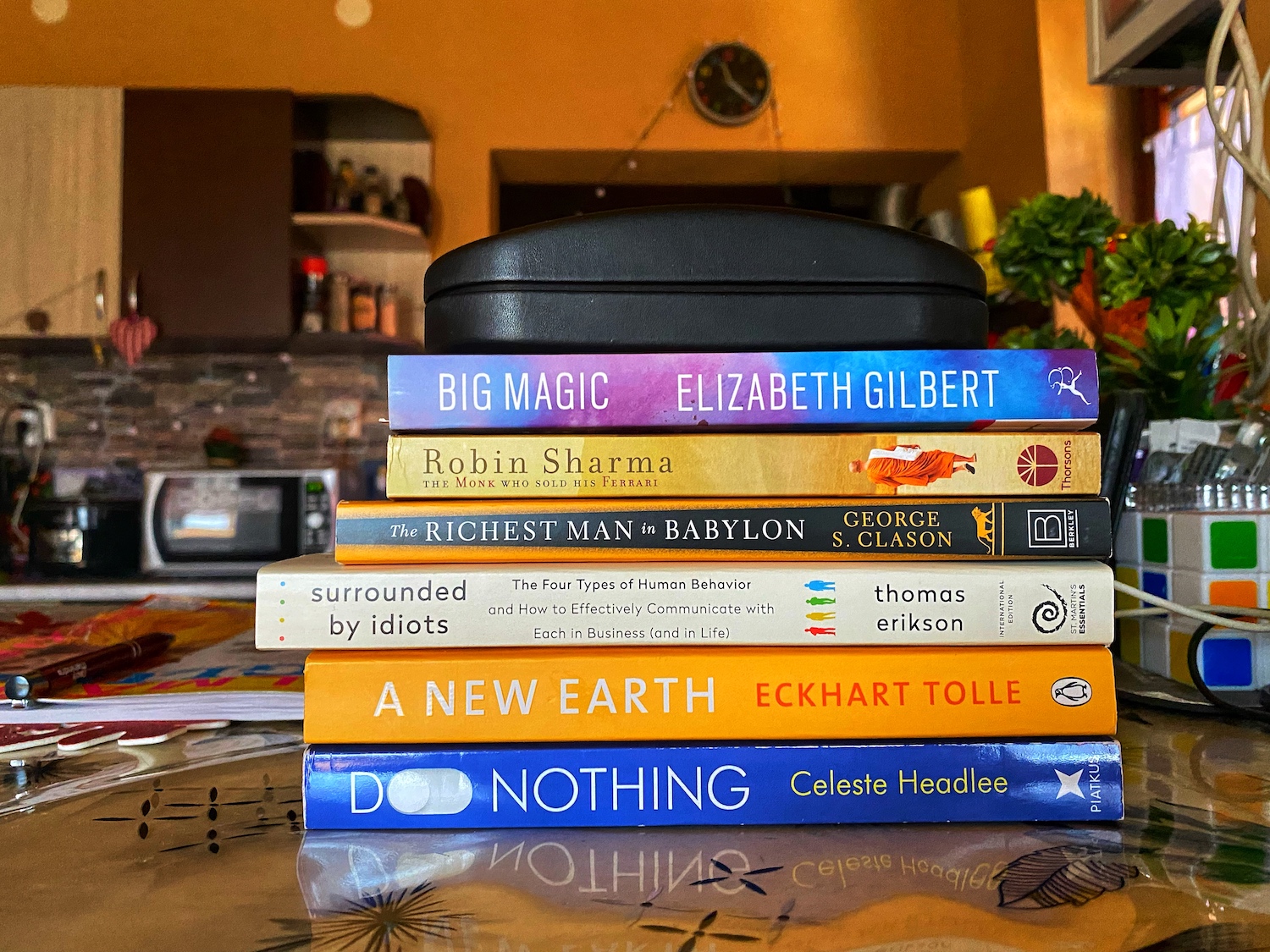
Point is, people love buying from other people, because they’re sick and tired of unexplained growing in prices, unreliable quality, long lines at this or that store and so on.
And telling them this, telling them you’re a real person who’s picking the plums from the trees, adding the ingredients to the pot and stirring them for hours, putting the jams in the jars, and then finishing it all of with the lid and the label?
People buy into that.
Humans like to buy from Gabriel, not from Corporation Name Here.
Small business owners should stop trying to look “big” and start trying to look “real.”
You are not fooling anyone but yourself if you try to look big.
Instead Of The Conclusion…
Quality + Scarcity + Human Connection = Growth.
This is applicable to any and all businesses, not just artisanal jams making.
Me, I’m also a writer in my spare time.
I apply this same ‘artisanal’ precision to the words I write for my clients.
I’m no fan of artificial wordsmaking, and I can’t do it even if drunk.
Let’s prepare a new strategy for your brand.
You don’t have to boil your brains on your own.
Shoot me an email, I cannot wait for us to cook together!